Take Charge This American Diabetes Month: Symptoms, Testing, and Prevention

avolzke • October 30, 2025

Understanding Diabetes: Symptoms, Testing, and Prevention

Diabetes can affect people in different ways. Some experience clear symptoms, while others may have signs so mild that they go unnoticed. Knowing what to look for can help with early detection and reduce the risk of complications.


Common symptoms of diabetes include:

  • Frequent urination
  • Excessive thirst
  • Feeling unusually hungry, even after meals
  • Extreme fatigue
  • Blurry vision
  • Cuts or bruises that take a long time to heal
  • Unexplained weight loss (especially in type 1 diabetes)
  • Tingling, pain, or numbness in the hands or feet (common in type 2 diabetes)


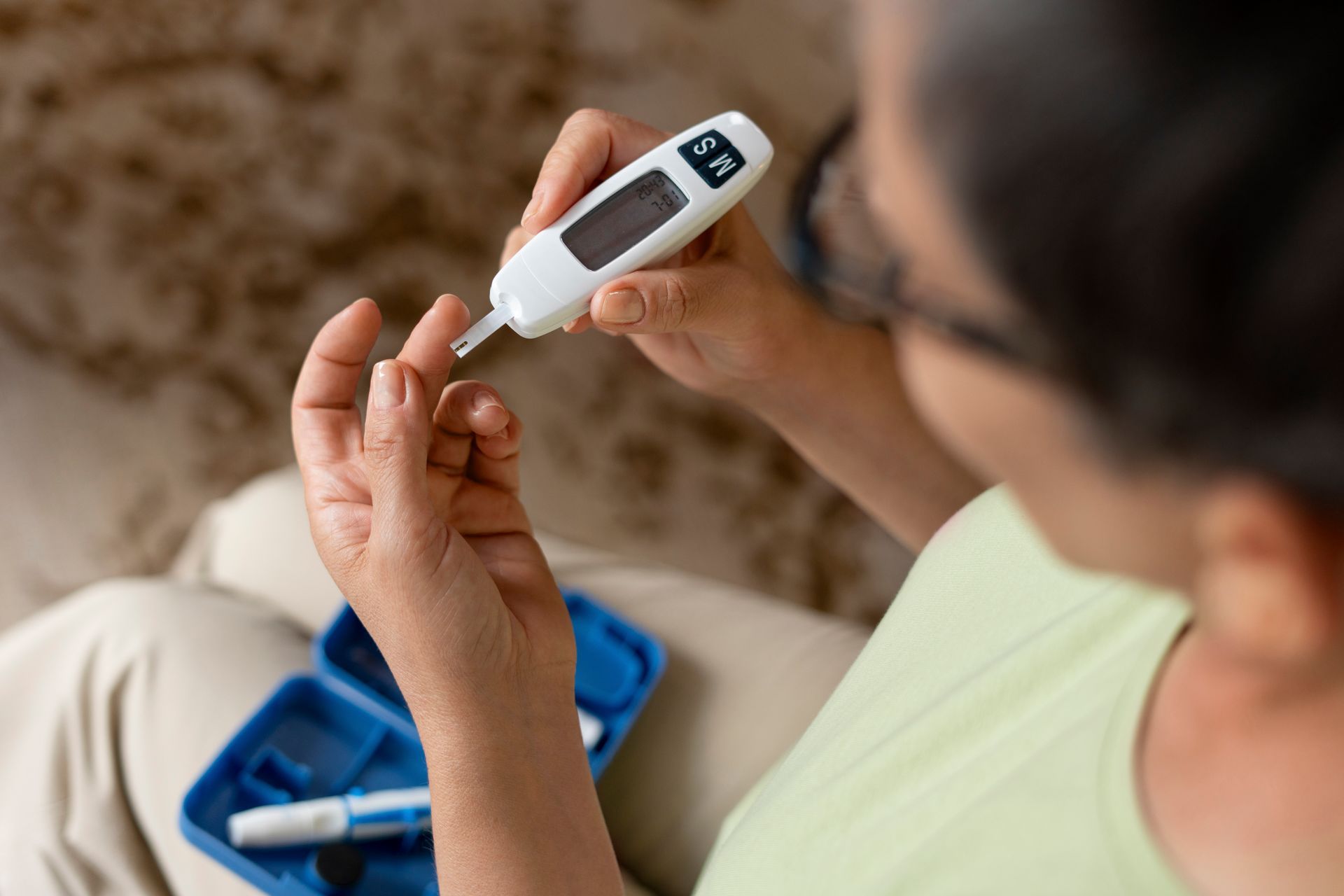
If you notice any of these signs, it’s important to get tested. Diabetes testing is typically done in a healthcare setting, such as your doctor’s office or a lab. In some cases, if blood sugar levels are very high or classic symptoms are present alongside a positive test, a second test may not be necessary for diagnosis.


Preventing diabetes is possible
We’re committed to helping reduce the incidence of diabetes. That’s why we partner with the CDC’s National Diabetes Prevention Program (National DPP). This program offers a structured, research-based lifestyle change plan proven to help prevent or delay type 2 diabetes.


What about prediabetes?
Prediabetes means your blood sugar is higher than normal, but not high enough to be diagnosed with diabetes. While it doesn’t guarantee you’ll develop diabetes, it’s a sign to take action—through healthy eating, physical activity, and lifestyle changes—to lower your risk.

Early detection and proactive steps can make a big difference. Paying attention to symptoms and taking advantage of prevention programs can help you stay healthy and reduce your risk of diabetes-related complications.

By Angie Volzke February 19, 2026
Cada ingrediente de una vacuna tiene un propósito
By Angie Volzke February 19, 2026
Lo que debe saber sobre el sarampión
By Angie Volzke February 19, 2026
Haga de la protección solar un hábito diario
By Angie Volzke February 19, 2026
Enfermedades causadas por el calor: lo que necesita saber
By Angie Volzke February 19, 2026
¿Qué es Medicare?
Woman taking man's blood pressure with a digital monitor in a home setting.
By avolzke December 9, 2025
Medicare is health coverage for adults 65+, but you may qualify earlier if you have a disability, ESRD, or ALS. Some people are enrolled automatically, while others need to sign up, it all depends on when you begin receiving Social Security benefits. You can have an annual Wellness visit to update a personalized plan for preventing disease or disability; this visit focuses on prevention, not a physical exam. Medicare Part B covers the cost for your annual visit.
Doctor taking patient's blood pressure with stethoscope and cuff on a white table.
By avolzke November 3, 2025
Your Guide to Medicare Wellness Visits and Preventive Care
Person holding hands with another, offering comfort. Teal nails, neutral clothing.
By avolzke October 3, 2025
Understanding Intimate Partner Violence vs. Domestic Violence
Person receiving a vaccination shot in the arm; doctor holding syringe with blue gloves.
By avolzke September 29, 2025
Understanding the Flu Vaccine
Woman hugs a child, both faces hidden, indoor setting, sunlight.
By avolzke September 9, 2025
Suicide is one of the leading causes of death among both youth and adults in the United States. For every life lost, many more individuals make a plan, attempt suicide, or seek care in an emergency department. Mental health plays a major role. Nearly half of people who die by suicide have a history of a diagnosed mental health condition. However, many others may struggle silently, with no diagnosis at all. Access to timely mental health care can make a critical difference in reducing risk. It’s important to understand that suicide is complex. Factors at the individual, relationship, and community levels can all contribute. Veterans, for example, face higher suicide rates than the general population. Programs like the CDC’s Comprehensive Suicide Prevention program and the Make the Connection campaign are working to provide support, share personal stories, and connect veterans to resources. Youth mental health is also an urgent concern. According to the most recent data from 2023, 1 in 5 U.S. high school students reported seriously considering attempting suicide in the past year. This highlights the importance of open conversations, prevention efforts, and ensuring young people know help is available. If you or someone you know is struggling or in crisis, you are not alone. Free and confidential help is available 24/7/365. Call or text 988 or chat at 988lifeline.org .